Paver cleaning and sealing in Pompano Beach
Paver cleaning and sealing means washing pavers back to clean, treating mold and rust, refilling the joints with sand and sealing the surface so the sand stays put and stains do not sink in. It is a coat over pavers that are already down, chosen for salt air and South Florida rain.
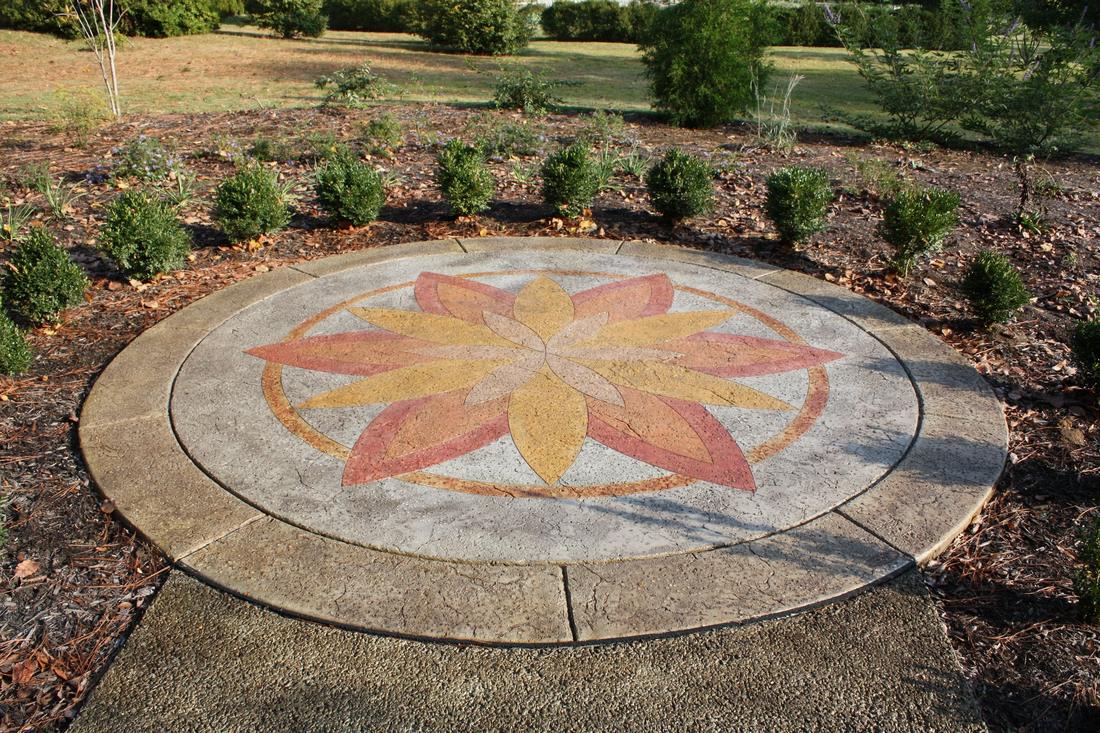
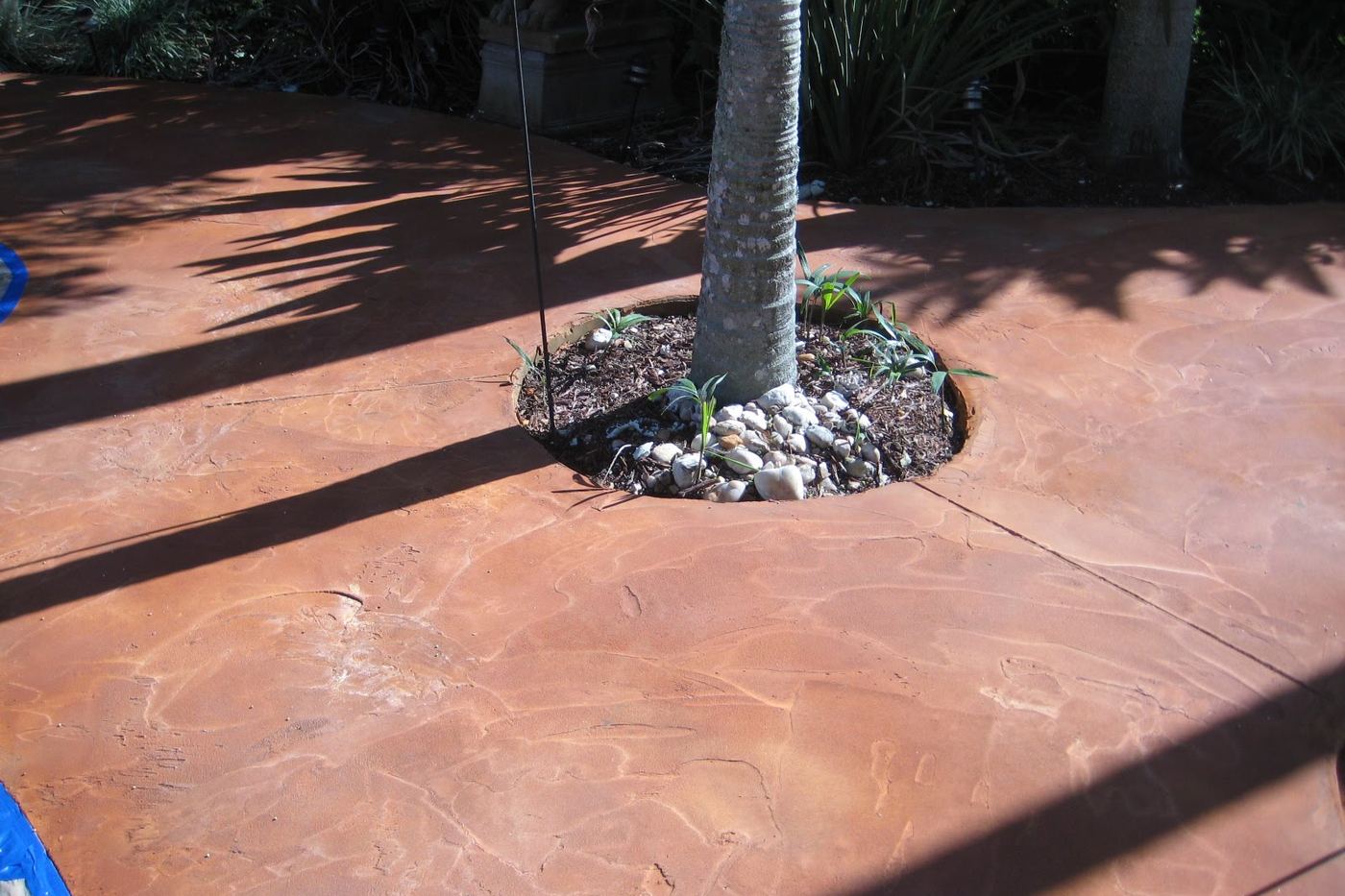
Example photos of sealed outdoor surfaces, shown for the look of a fresh sealer. Not photos of a specific past job.
What does paver cleaning remove?
Dirt, black mold and algae, rust from irrigation water, salt film and tire marks, plus old sealer that has turned cloudy or started peeling.
Pavers in Broward take a lot: shade and humidity grow black mold on north-facing walks, sprinklers fed by well water leave orange rust streaks, salt air films everything near the Intracoastal, and storms push sand and debris into the joints. Cleaning comes first, because a sealer locks in whatever is on the surface.
Rust from well water is the stubborn one. It is treated with a cleaner made for rust, and if the sprinklers keep hitting the pavers with the same water, the stains come back, so it is worth adjusting the heads or adding a filter.
Black mold and algae
Common on shaded walks and pool decks. Treated and rinsed so it does not grow back under the sealer.
Rust stains
Orange streaks from well-water sprinklers or metal furniture, treated with a rust cleaner.
Salt film
Washed off, so the sealer bonds to the paver and not to salt.
Old sealer
Cloudy, peeling or patchy sealer is stripped before a fresh coat.
Why does the sand keep washing out of my pavers?
Heavy rain, pressure washing, ants and gaps at the edges all carry joint sand away; refilling the joints and sealing them with a joint-stabilizing sealer holds it in place.
Joint sand is what keeps pavers tight. When it goes, pavers start to rock, weeds root in the gaps and ants pile sand on top. In South Florida the summer storms do most of the damage, and a deck or driveway that floods even briefly can lose a lot of sand at once.
Re-sanding
Empty joints are refilled with sand, swept in and compacted so the pavers lock together.
Joint-stabilizing sealer
Soaks into the sand and binds it, so storms and hoses carry less of it away.
Ants
Tight, sealed joints give ants less loose sand to move. An active colony is treated before sealing.
Sunken or lifted pavers
Sealing does not re-level pavers. Sections that have sunk or lifted after a storm need resetting first.
Wet look or natural: which sealer suits a coastal home?
Wet-look sealers deepen the color and add a soft gloss for driveways and entries; natural-look sealers soak in with little shine, which suits pool decks where grip comes first.
Near the coast, sun and salt fade pavers faster, so many owners like the richer color a wet-look sealer brings back. Around a pool, a glossy film can be slick, so a natural-look sealer or a grip additive is the safer pick. Either way, the pavers have to be clean and dry first, or moisture gets trapped and turns the sealer cloudy.
Wet look
Richer color and a soft gloss. A favorite for driveways and front entries.
Natural look
Little change in color or shine. The usual choice for pool decks and travertine.
Saltwater pools
Splash leaves salt on the surface. A rinse with fresh water now and then helps the sealer last.
What does paver cleaning and sealing cost in Pompano Beach?
Price depends on the pavers, so ask about yours; the area, how much cleaning they need, the joint sand and the sealer you choose are what move it.
Area
Driveway, walkways, patio or pool deck, by square footage.
Cleaning
Mold, rust, salt film and any old sealer to strip.
Joint sand
How much has washed out, and whether a stabilizing sealer is used.
Sealer
Wet look or natural, and one suited to pool water where needed.
What does the job look like?
Start
Tell us what you have: driveway, patio or pool deck, roughly how big, and what is wrong with it now, and ask for a quote.
Clean and re-sand
The pavers are usually pressure cleaned, mold and rust are treated, and the joints are refilled with sand.
Dry and seal
Once the pavers are dry, the sealer goes on edge to edge. Ask for the schedule, since rain changes it.
Questions about paver cleaning and sealing
How much does paver cleaning and sealing cost?
Price depends on the pavers: the area, how much mold, rust and old sealer has to come off, how much joint sand is missing and the sealer you choose. A shaded pool deck with rust streaks takes longer than a newer driveway that only needs a fresh coat. Ask about yours. The quote is free.
How often should pavers be sealed in South Florida?
Every few years is typical, but sun, salt and traffic set the real schedule. A driveway in full sun near the coast wears its sealer faster than a shaded patio inland. When water stops beading, joint sand starts washing out or the color looks flat again, it is time to clean and reseal.
Can rust stains be removed from pavers?
Most rust from well-water sprinklers and metal furniture lightens a lot or comes out with a cleaner made for rust. Very old stains may fade rather than disappear. If the sprinklers keep spraying the same water on the pavers, the stains return, so adjusting the heads or adding a filter is worth doing first.
Will sealed pavers be slippery around the pool?
A wet-look sealer can be slick when wet, which is why pool decks usually get a natural-look sealer or a grip additive mixed into the final coat. Ask about grip when you choose the finish, especially for steps and the areas where people climb out of the pool and walk barefoot.
Do you fix pavers that sank after a storm?
Sealing is a coat over pavers that are already set. Pavers that have sunk, lifted or shifted after heavy rain need to be reset and re-leveled before they are sealed, or the sealer locks the problem in. Mention them when you ask for a quote, so the plan covers them first.